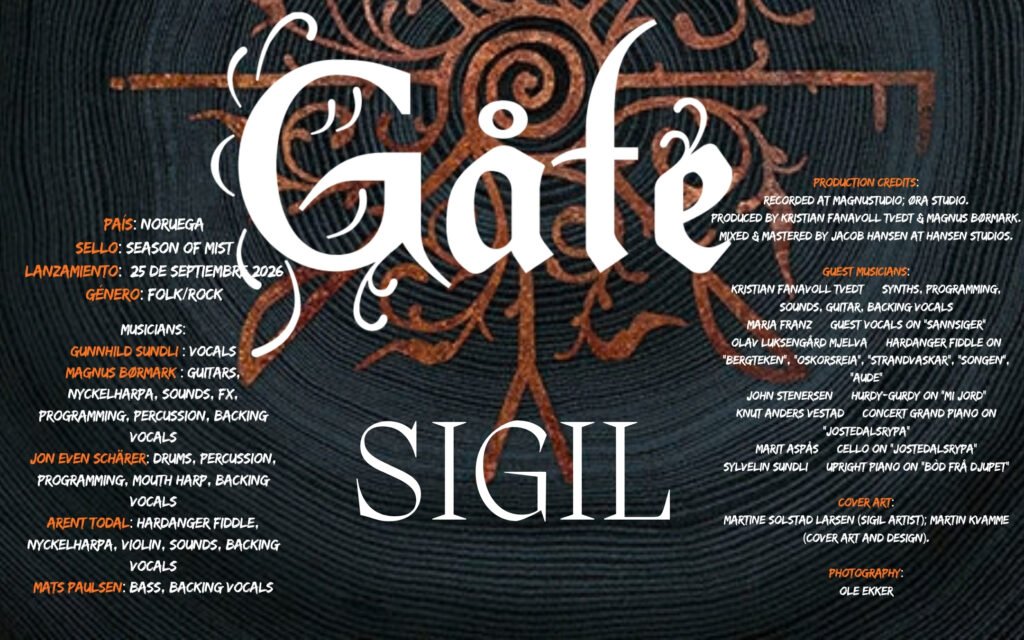
GÅTE ´SIGIL´
LA BELLEZA DE LO DESCONOCIDO
Escrito por MERYTH
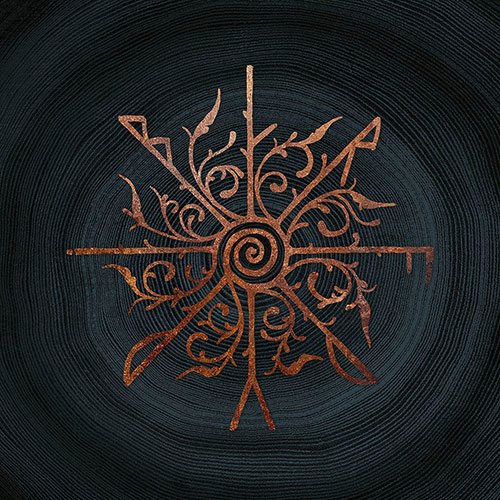
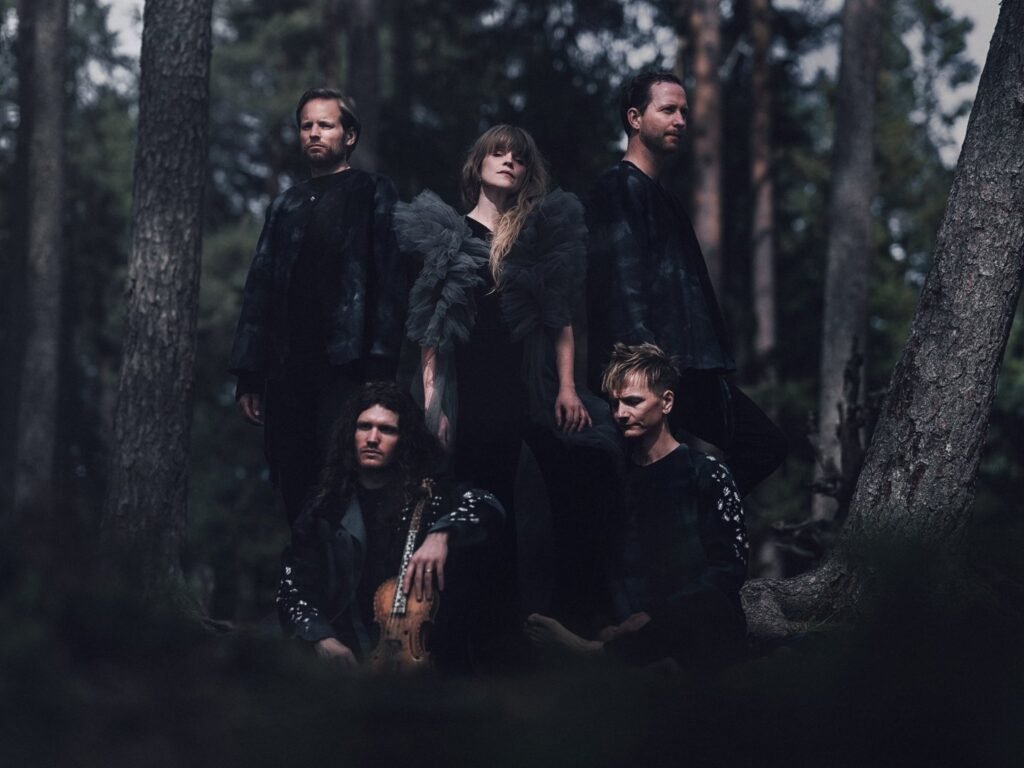
Desde el otro lado del hemisferio llega un nuevo trabajo de estudio de GÅTE. Los noruegos, mezcla de folk con rock moderno, traen desde las profundidades de la tradición, SIGIL, un disco altamente emotivo y enriquecedor ha estrenarse el 25 de septiembre del 2026 vía Season of Mist.
La llegada de este álbum no viene sola, sino que lo acompaña un premio recibido el pasado 15 de este mes por su canción “Sannsiger”, la cual fue galardonada en la categoría de Música del Mundo en el Concurso de Composición de Canciones John Lennon. Y no es para menos, ya que este track trae consigo una potencia lírica y melódica impresionantes, con la incorporación vocal de Maria Franz, vocalista de Heilung.
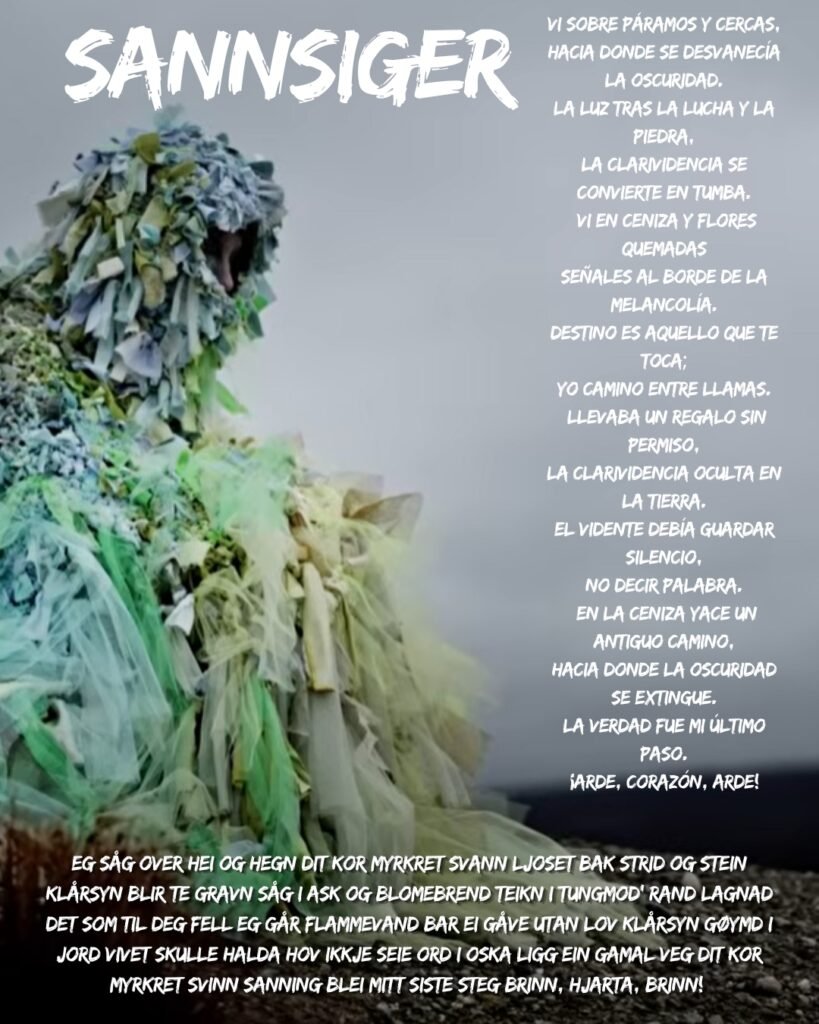
Sannsiger o “El que dice la verdad” en su traducción al español (o al menos lo más cercano a una traducción adecuada debido a las palabras dialectales usadas en las letras de la agrupación) habla sobre la travesía de la búsqueda de la verdad a través de la clarividencia y así se transmite en la música llena de intriga y misterio. La potencia vocal es una de las características principales de esta canción, cual fiesta ritual suenan a invocación de lo que hay más allá, a la unión de la mente, cuerpo y figuras ancestrales. Un baile a la oscuridad de lo que ya está escrito en el destino.
Un cantico a capella abre SIGIL, una calma melódica que se prosigue con el sonar lejano de las percusiones que incitan a acercarse lentamente por esta historia de casi 37 minutos de duración.
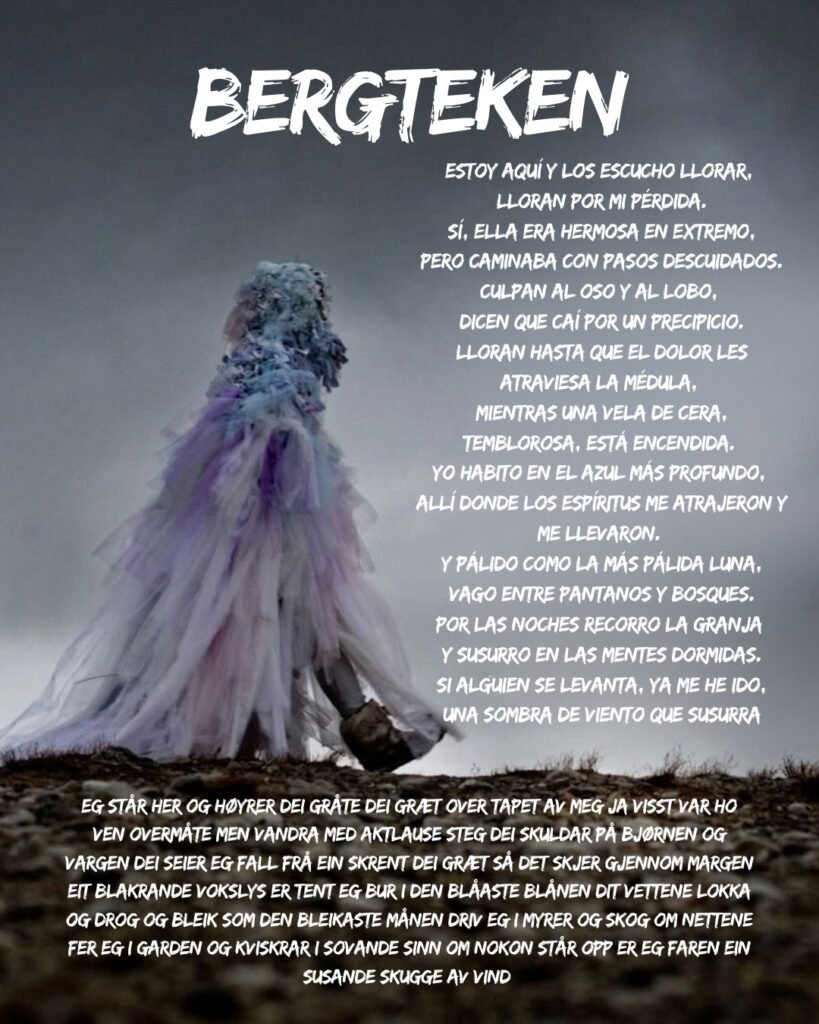
Bergteken (Marca de la Montaña) se encarga de abrir el disco con resonancia doliente y casi suplicante que al acercarse al final se trasforma dramático y poderoso gracias a los instrumentos que entran sin culpa inyectando el tema de entalpía que se libera como una reacción vibrante y espectacular. La oscuridad entra con Oskorsreia, uno de los sencillos lanzados en videoclip. Oskorsreia en el imaginario noruego, se trata de una hueste espectral que puede aparecer cabalgando por el cielo o recorriendo la tierra, provocando temor y caos; lo que se transmite en el sonido más oscuro e intenso en comparación al primer track del disco.
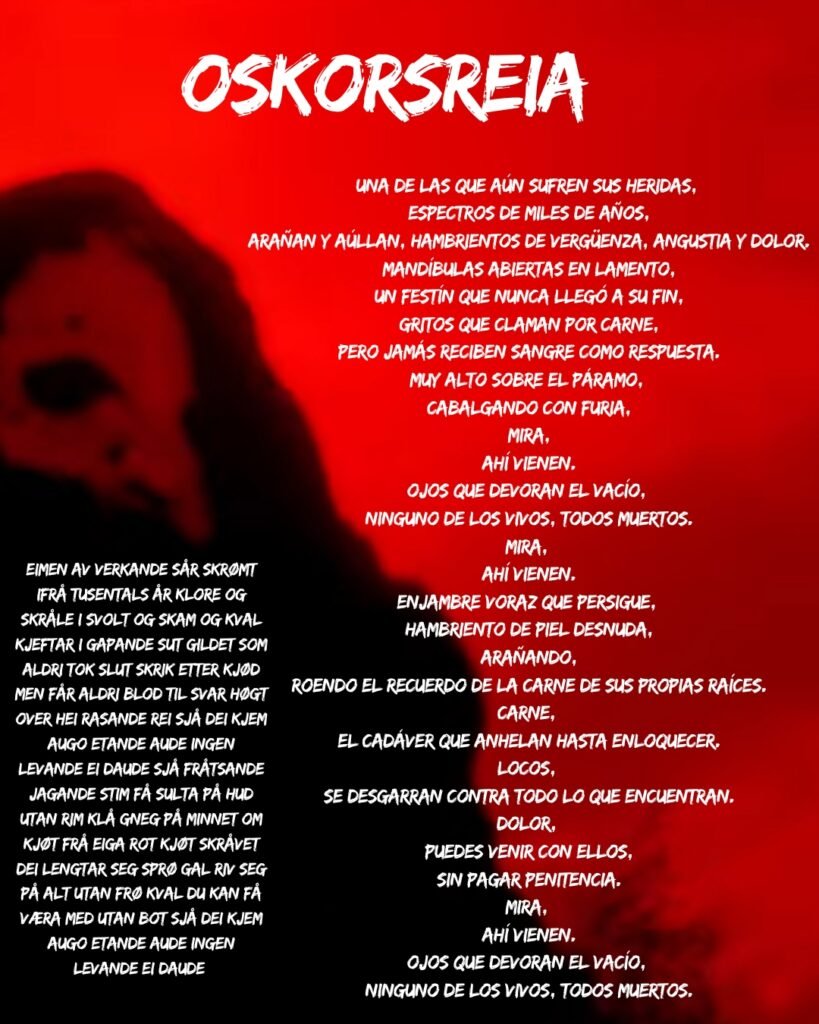
La particular sonoridad de ciertos instrumentos hace semejanza a resonancias conocidas por este extremo del mundo, sobre todo cuando se usa el arpa de boca que en Chile conocemos como Trompe dentro de la cultura Mapuche. Una coincidencia bastante curiosa si consideramos la distancia en que se encuentran nuestros pueblos originarios con las tierras nórdicas de GÅTE pero que a mi parecer le da un valor agregado a la escucha de este disco y mantienen la conexión con la tierra y sus historias de una manera mucho más profunda, sintiendo sus miedos, dolores y esperanzas a través de cada nota.
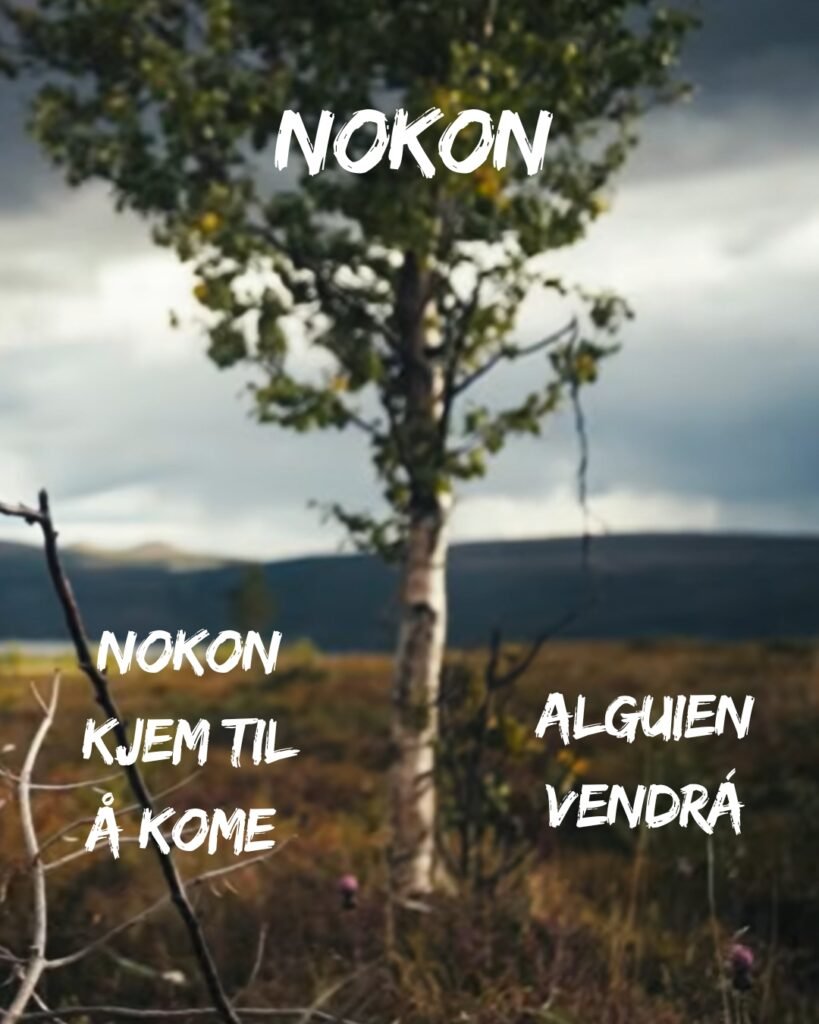
Un ejemplo claro de esta semejanza es el tema Nokon o “Alguien vendrá” en su traducción al español.
Con 3 minutos 10 y una sola frase en repetición a lo largo del track, sus sonidos nos evocan las ceremonias sagradas, donde se reúnen los espíritus, trayendo el folclore y el respeto a lo que no se ve con los ojos a flor de piel con cada una de las notas proclamadas.
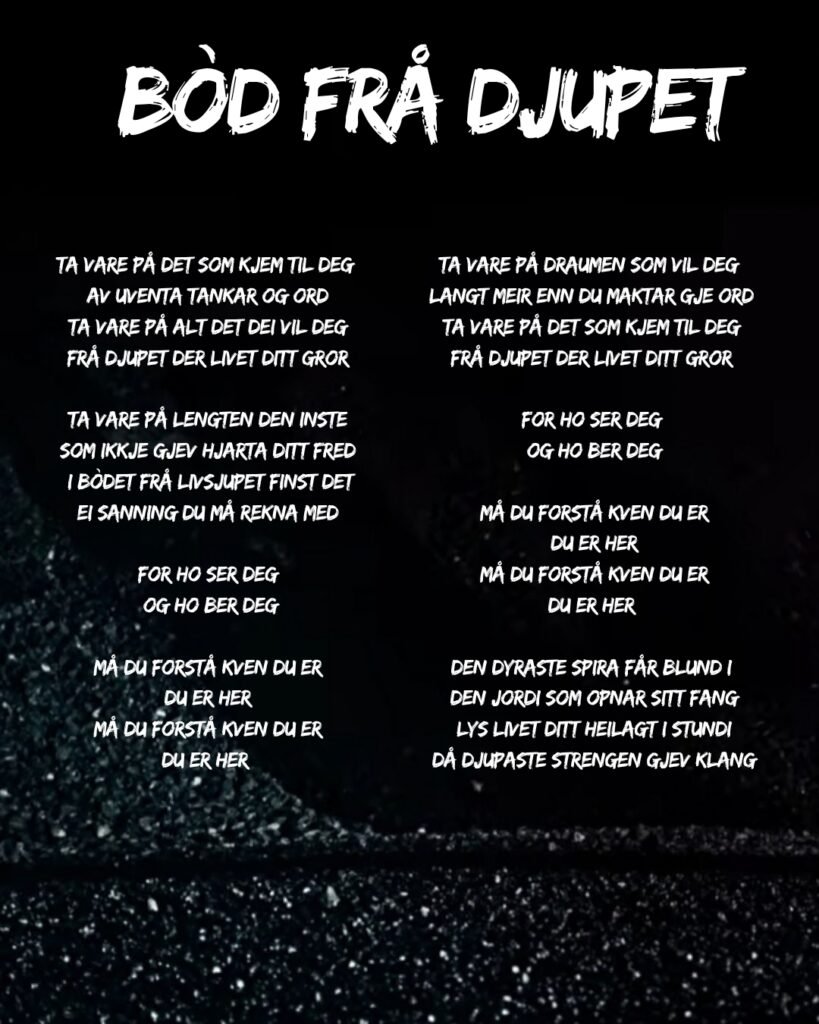
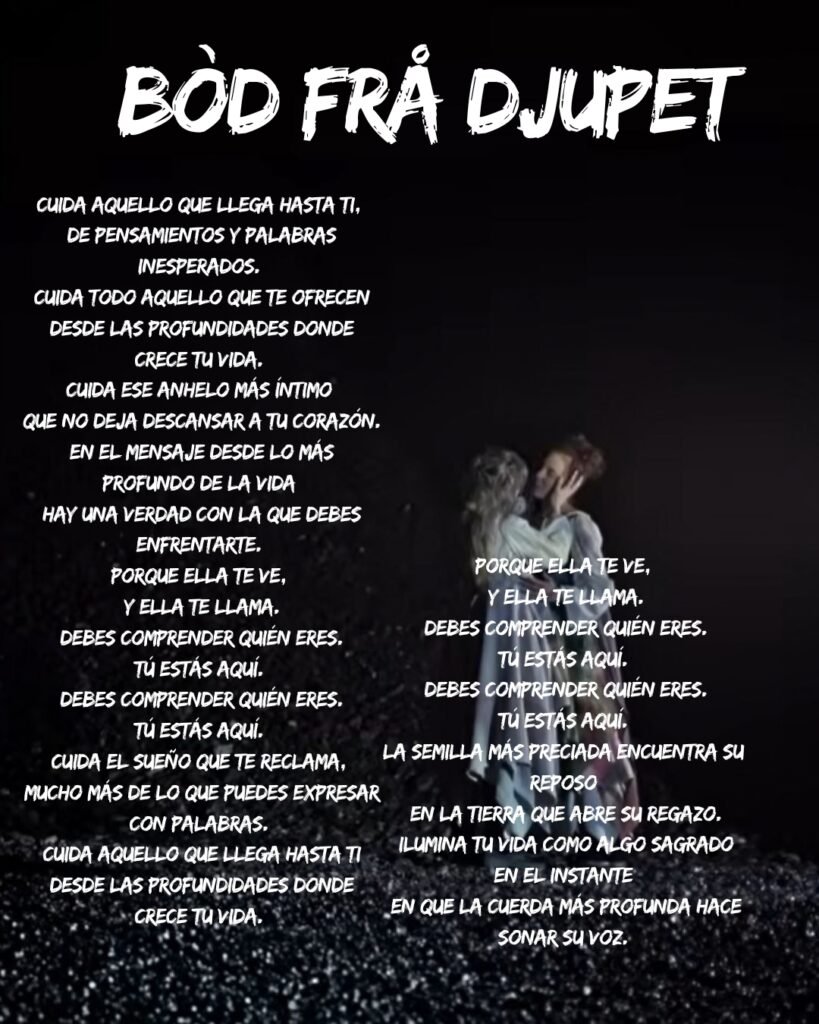
Una vuelta a la calma se sucede con Bòd frå djupet, en el cual la melodiosa voz entrega un respiro hipnotizante, transmitiendo esperanza. Musicalmente es más brillante que el resto de las canciones ya escuchadas, con líricas que hablan de un mensaje que viene de lo profundo, de lo maternal, de las raíces de la tierra para entenderse a uno mismo terminando con una estrofa extraordinariamente hermosa que reza: “La semilla más preciada encuentra su reposo en la tierra que abre su regazo. Ilumina tu vida como algo sagrado en el instante en que la cuerda más profunda hace sonar su voz”.
Si bien el folk está en el centro de la música que entrega GÅTE, los toques modernos, complejos y progresivos de la instrumentación se pueden sentir en el fondo como un corazón latiente, lo que hace de esta banda una propuesta original y única.
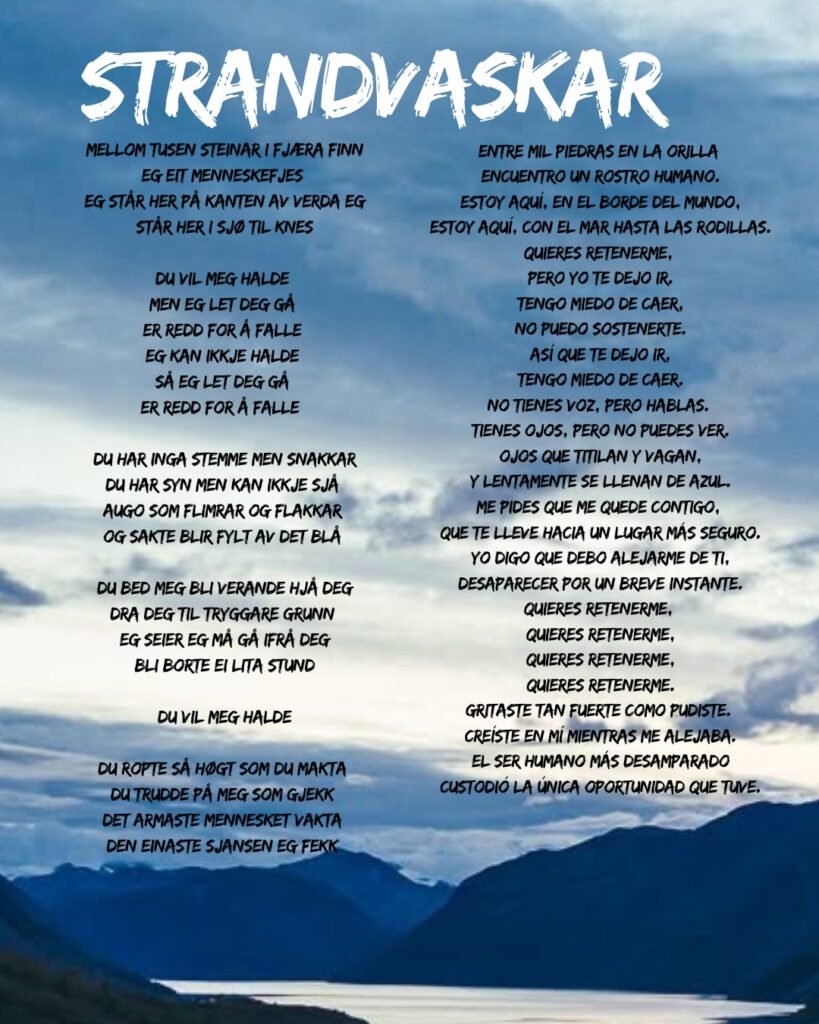
Esto lo podemos escuchar en Strandvaskar que melódicamente deambula en el sonido típico del folk pero que cuenta con quiebres de percusiones y otros instrumentos que le entregan fuerza y color a la composición.
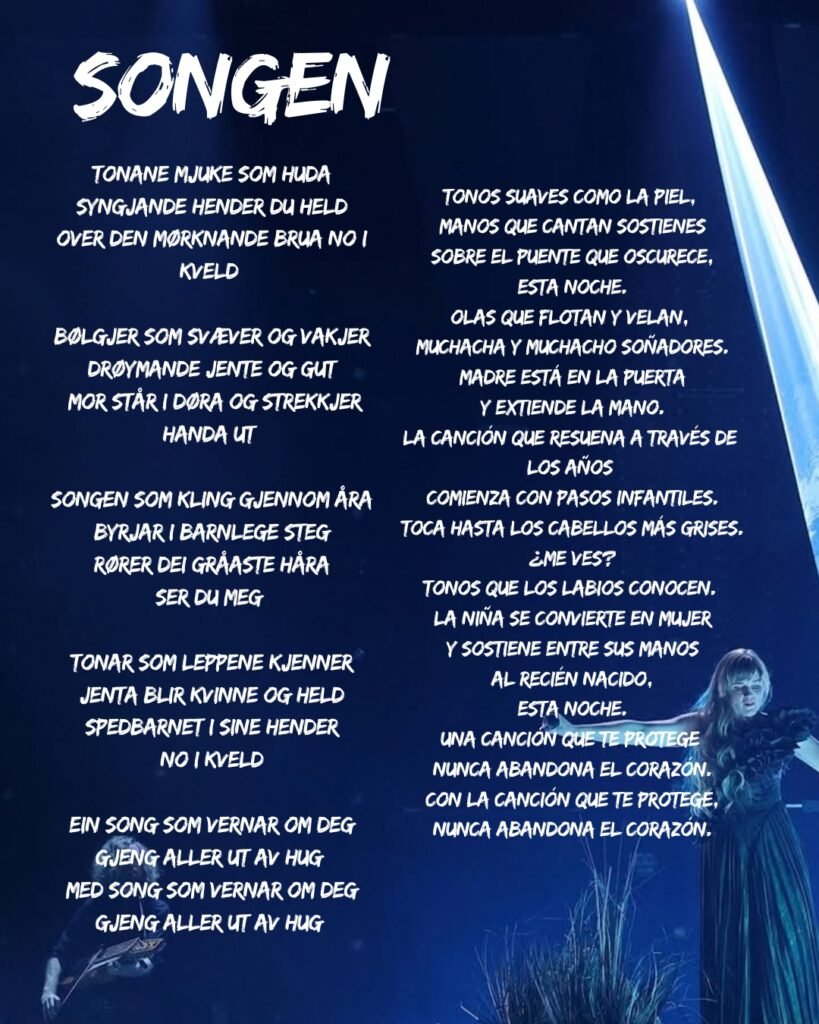
Songen es un regreso a la balada como canción de cuna en donde la voz transmite tanta calma como belleza. Tal y como cantan sus palabras, es una canción que te protege y nunca abandona el corazón. Una melodía que viaja por el tiempo y de esas canciones que acompañan generaciones por la eternidad.
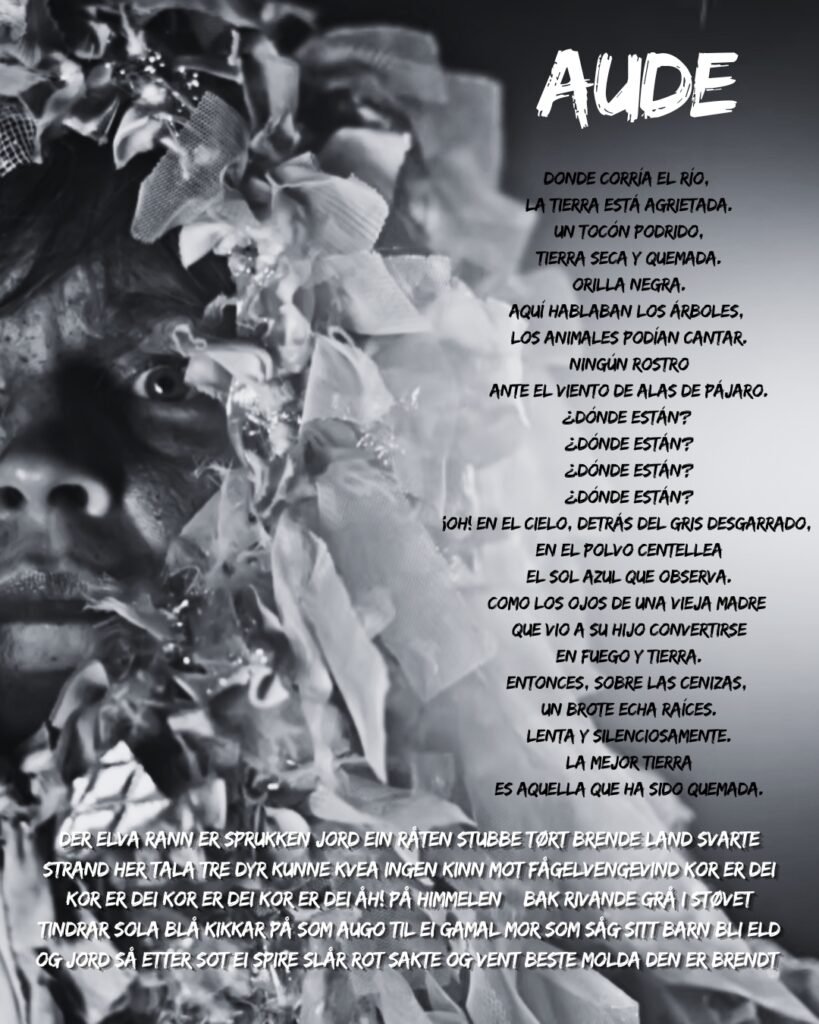
En Aude tuve que investigar algo más ya que todo el paraje sonoro resulta ser extremadamente cautivante desde el inicio hasta el final e incluye nuevamente esas resonancias conocidas muy similares a las mapuches. Como entendimiento general el término Aude es antiguo y puede relacionarse con desolación, abandono, vacío o tierra yerma, dependiendo del contexto, pudiéndose traducir textualmente como “Desolación”. Esta canción es intensa, compleja, con variados paisajes musicales que entran con melodías quietas para explotar en entropías sonoras, voces como murmullos de un mismo aliento que se agrietan en un sonido oscuro, doliente, de acordes menores que calan la piel y te producen una corriente en la médula espinal.
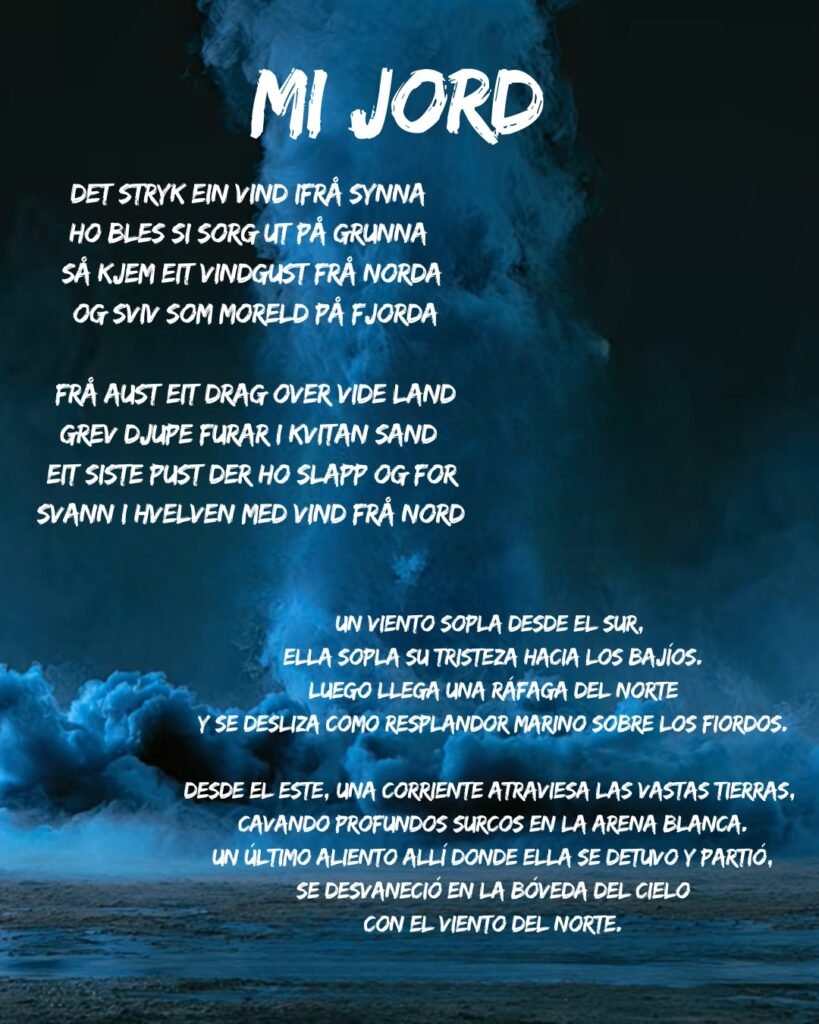
Esa tonalidad sombría se continua con Mi Jord (Mi Tierra) en donde las cuerdas vocales de Gunnhild Sundli una vez más se elevan para resonar con las notas del viento que se acompañan de las cuerdas del hurdy-gurdy o zanfona, del Mandola o mandolina y uno que otro sonido electrónico. Las letras hacen referencia al movimiento del viento desde los cuatro puntos cardinales y es exactamente lo que se transmite desde la composición: Paisajes, aire, tierra, memorias y despedidas.
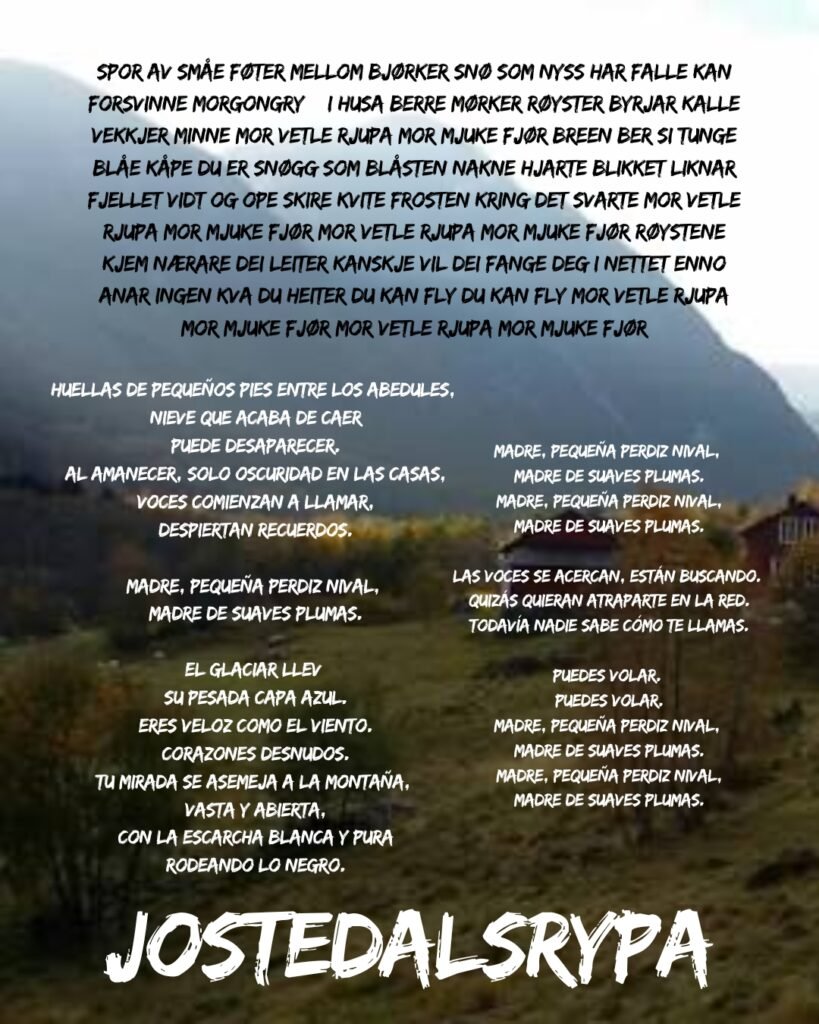
El disco termina con Jostedalsrypa, mi favorito dentro del universo llamado SIGIL. Tranquilo, doliente, en paz y en compañía de un suave piano que se abre a los demás sonidos para sostenerte en un sopor de nostalgia, tristeza, desesperanza y al mismo tiempo te entrega destellos de esperanza y belleza absoluta.
Con un coro absolutamente desgarrador, esta composición se basa en la Leyenda de Jostedalsrypa la cual cuenta la historia de la región de Jostedalen, en donde el paso de la peste negra no dejó alma con vida excepto a una niña que fue escondida por su madre en una cama de plumas y que al pasar el tiempo se fueron convirtiendo en parte de ella, transformándose en La Perdiz Nival de Jostedal (Jostedalsrypa).
Tímida, huidiza y salvaje; tal y como lo es el último track de uno de los discos más fascinante del último tiempo..
Pese a que la barrera del idioma podría ser una dificultad para entender lo que GÅTE quiere transmitir, aquí sucede todo lo contrario:
Sin entendimiento siquiera de las palabras, las melodías suspiran emociones capaces de sumergirte en un trance de belleza, oscuridad y nostalgia del cual no querrás salir jamás.
ENGLISH TRANSLATION
From the other side of the hemisphere comes a new study work by GÅTE. The Norwegians, a mixture of folk with modern rock, bring from the depths of tradition, SIGIL, a highly emotional and enriching album to be released on September 25, 2026 via Season of Mist.
The arrival of this album doesn’t come alone, but is accompanied by an award received on the 15th of this month for his song «Sannsiger«, which was awarded in the category of World Music in the John Lennon Songwriting Contest. And no wonder, since this track brings with it an impressive lyrical and melodic power, with the vocal incorporation of Maria Franz, vocalist of Heilung. Sannsiger o “El que dice la verdad » In its Spanish translation (or at least the closest thing to a proper translation due to the dialectal words used in the group’s lyrics) it talks about the journey of the search for truth through clairvoyance and so it is conveyed in the music full of intrigue and mystery. The vocal power is one of the main characteristics of this song, like a ritual festival they sound like an invocation of what lies beyond, to the union of mind, body and ancestral figures. A dance to the darkness of what is already written in destiny.
An a cappella singing opens SIGIL, a melodic calm that is continued with the distant sound of the percussions that incite you to slowly approach this story of almost 37 minutes long. Bergteken (Mark of the Mountain) is in charge of opening the album with a sorrowful and almost pleading resonance that, as it approaches the end, transforms into a dramatic and powerful force thanks to the instruments that enter without guilt, injecting the enthalpy theme that is released as a vibrant and spectacular reaction. The darkness enters with Oskorsreia, one of the singles released as a video clip. Oskorsreia In the Norwegian imagination, it is a spectral host that can appear riding through the sky or traveling the earth, causing fear and chaos; which is transmitted in the darker and more intense sound compared to the first track of the album.
The particular sonority of certain instruments resembles resonances known in this side of the world, especially when the mouth harp is used, which in Chile we know as Trompe within the Mapuche culture. A rather curious coincidence if we consider the distance between our native peoples and the Nordic lands of GÅTE but that in my opinion gives added value to the listening of this album and maintains the connection with the land and its stories in a much deeper way, feeling its fears, pains and hopes through each note.
A clear example of this similarity is the theme Nokon or «Alguien vendrá» in its Spanish translation. With 3 minutes 10 and a single phrase in repetition throughout the track, its sounds evoke sacred ceremonies, where spirits gather, bringing folklore and respect to what is not seen with the eyes on the surface with each of the proclaimed notes.
A Calm Down It follows with Bòd frå djupet, in which the melodious voice delivers a hypnotizing breath, transmitting hope. Musically it is more brilliant than the rest of the songs already heard, with lyrics that speak of a message that comes from the deep, from the maternal, from the roots of the earth to understand oneself ending with an extraordinarily beautiful stanza that reads: «The most precious seed finds its rest in the earth that opens its lap. It illuminates your life as something sacred in the instant when the deepest string makes its voice sound.»
While folk is at the center of the music that delivers GÅTE, the modern, complex and progressive touches of the instrumentation can be felt in the background like a beating heart, which makes this band an original and unique proposal. We can hear this in Strandvaskar which melodically wanders in the typical sound of folk but has breaks of percussions and other instruments that give strength and color to the composition. Songen It is a return to the ballad as a lullaby where the voice transmits both calm and beauty. As her words sing, it is a song that protects you and never leaves the heart. A melody that travels through time and one of those songs that accompany generations for eternity.
In Aude I had to investigate a little more since the entire sound landscape turns out to be extremely captivating from the beginning to the end and includes again those known resonances very similar to the Mapuche ones. As a general understanding, the term Aude is old and can be related to Desolation, abandonment, emptiness or barren land, depending on the context, and can be translated verbatim as «Desolación». This song is intense, complex, with varied musical landscapes that enter with quiet melodies to explode in sound entropies, voices like murmurs of the same breath that crack in a dark, sorrowful sound, of minor chords that penetrate the skin and produce a current in the spinal cord.
That somber tonality is continued with Mi Jord (Mi Tierra) where the vocal cords of Gunnhild Sundli once again rise to resonate with the notes of the wind that are accompanied by the strings of the hurdy-gurdy o zanfona, of the Mandola o mandolina and the occasional electronic sound. The lyrics refer to the movement of the wind from the four cardinal points and it is exactly what is transmitted from the composition: Landscapes, air, earth, memories and farewells.
The album ends with Jostedalsrypa, my favorite in the universe called SIGIL. Calm, painful, at peace and in the company of a soft piano that opens up to other sounds to sustain you in a torpor of nostalgia, sadness, hopelessness and at the same time gives you glimpses of hope and absolute beauty. With an absolutely heartbreaking chorus, this composition is based on the Legend of Jostedalsrypa which tells the story of the region of Jostedalen, where the passage of the Black Death left no soul alive except for a girl who was hidden by her mother in a bed of feathers and who over time became part of her, becoming a La Perdiz Nival de Jostedal (Jostedalsrypa). Shy, elusive and wild as is the last track of one of the most fascinating albums of recent times.
Despite the fact of the language barrier could be a difficulty in understanding what GÅTE wants to convey, in this record quite the opposite happens: Without even understanding the words, the melodies sigh emotions capable of immersing you in a trance of beauty, darkness and nostalgia from which you will never want to leave.