Del teatro lento al celuloide vibrante: SUPERANDO SU VERSIÓN ORIGINAL.
Escrito por Meryth
Cinépolis trae a la pantalla grande
“La Invitación”; una adaptación de la película española “Sentimental” estrenada el año 2020, escrita y dirigida por Cesc Gay (que a su vez tomó la narrativa teatral de su propia obra dramatúrgica “Los Vecinos de Arriba).
Esta vez dirigida por Olivia Wilde, la historia toma un vuelto mucho más atrevido e innovador, dándole al film un aire fresco y modernista que se aleja de los tabús y se desenmaraña entre subtextos sugerentes hasta las más caóticas y exorbitantes discusiones maritales que son la piedra angular de la trama.
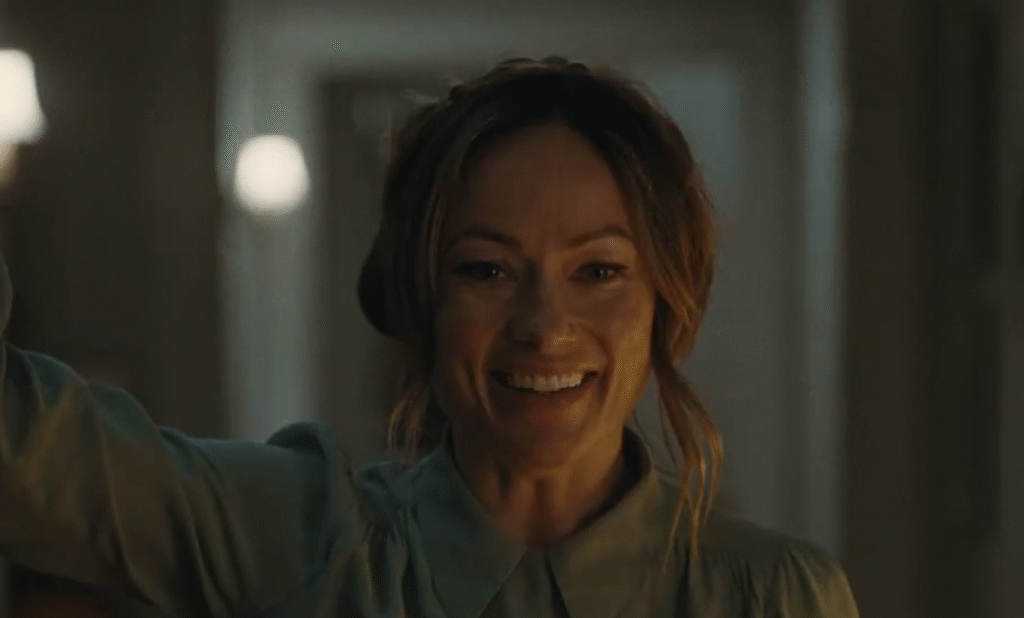
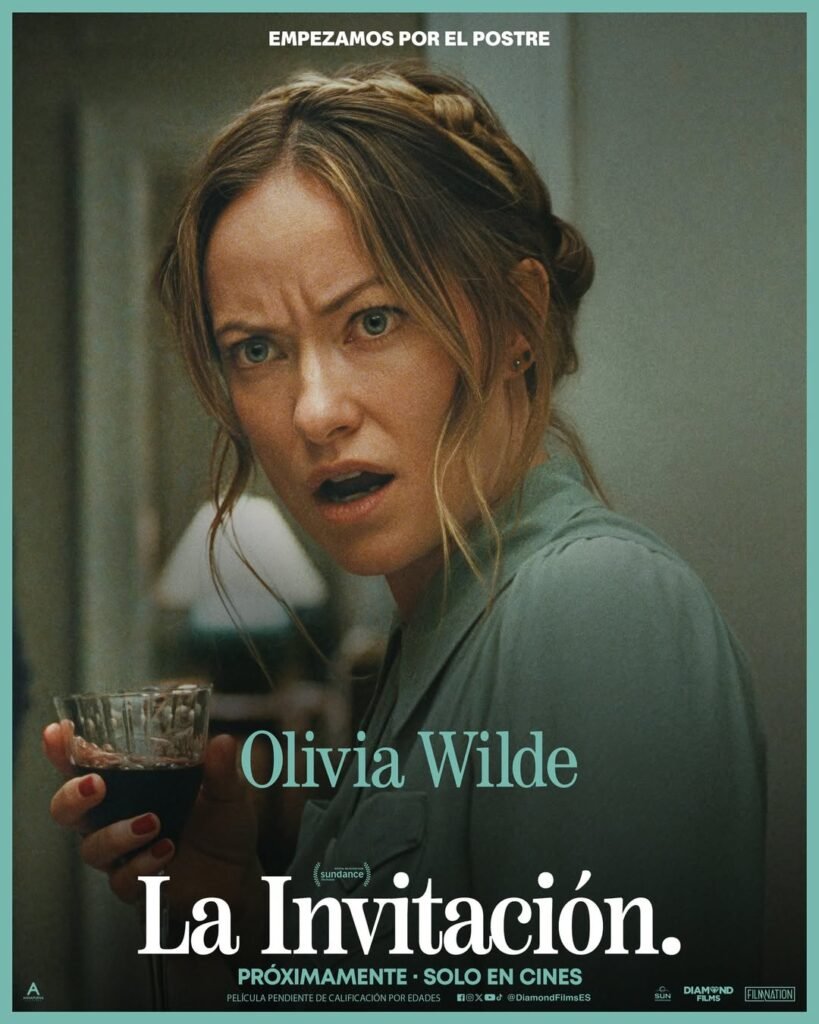
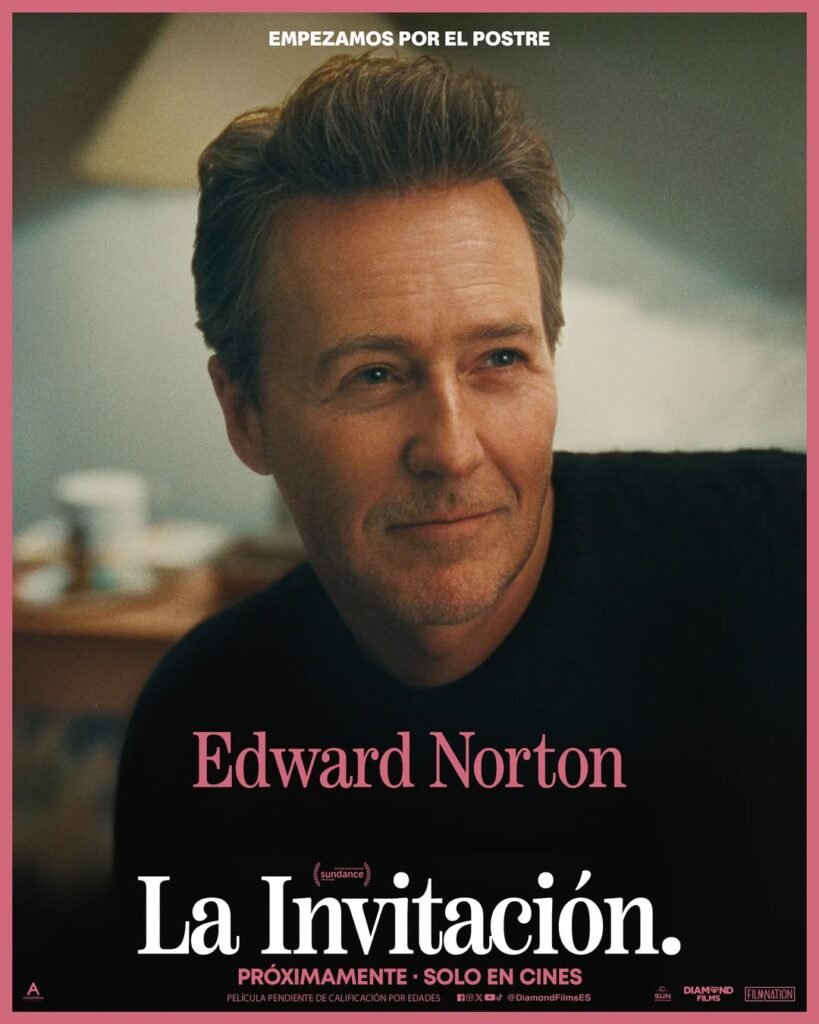
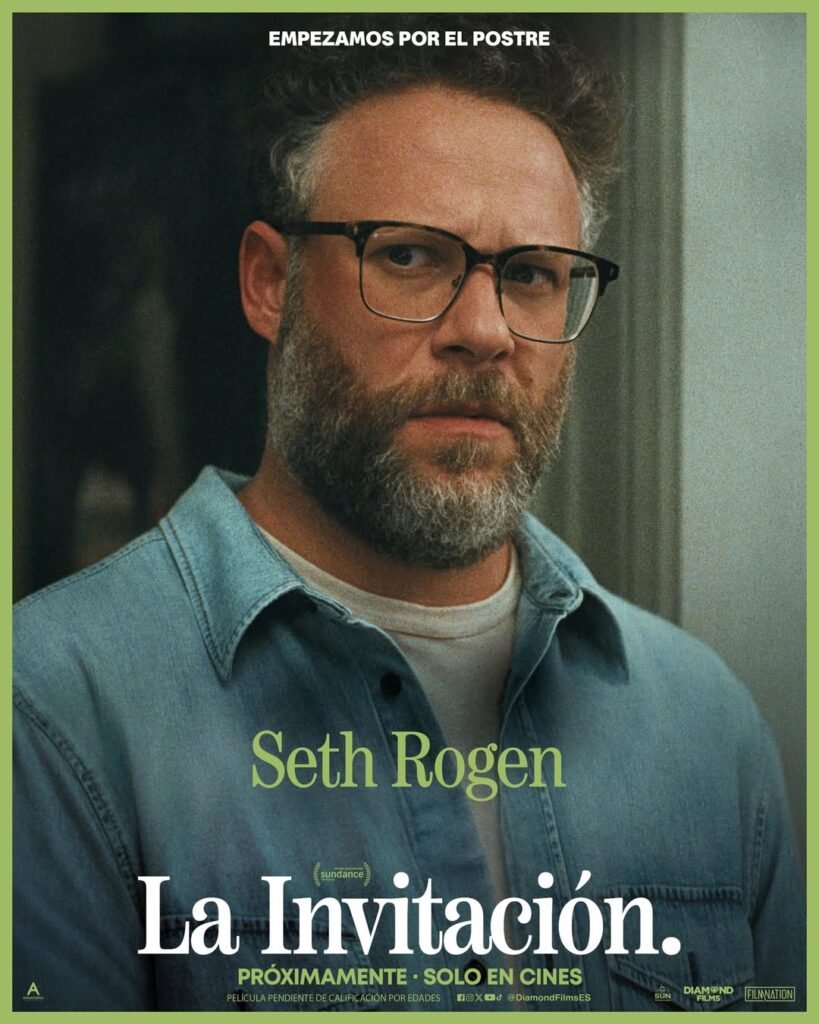
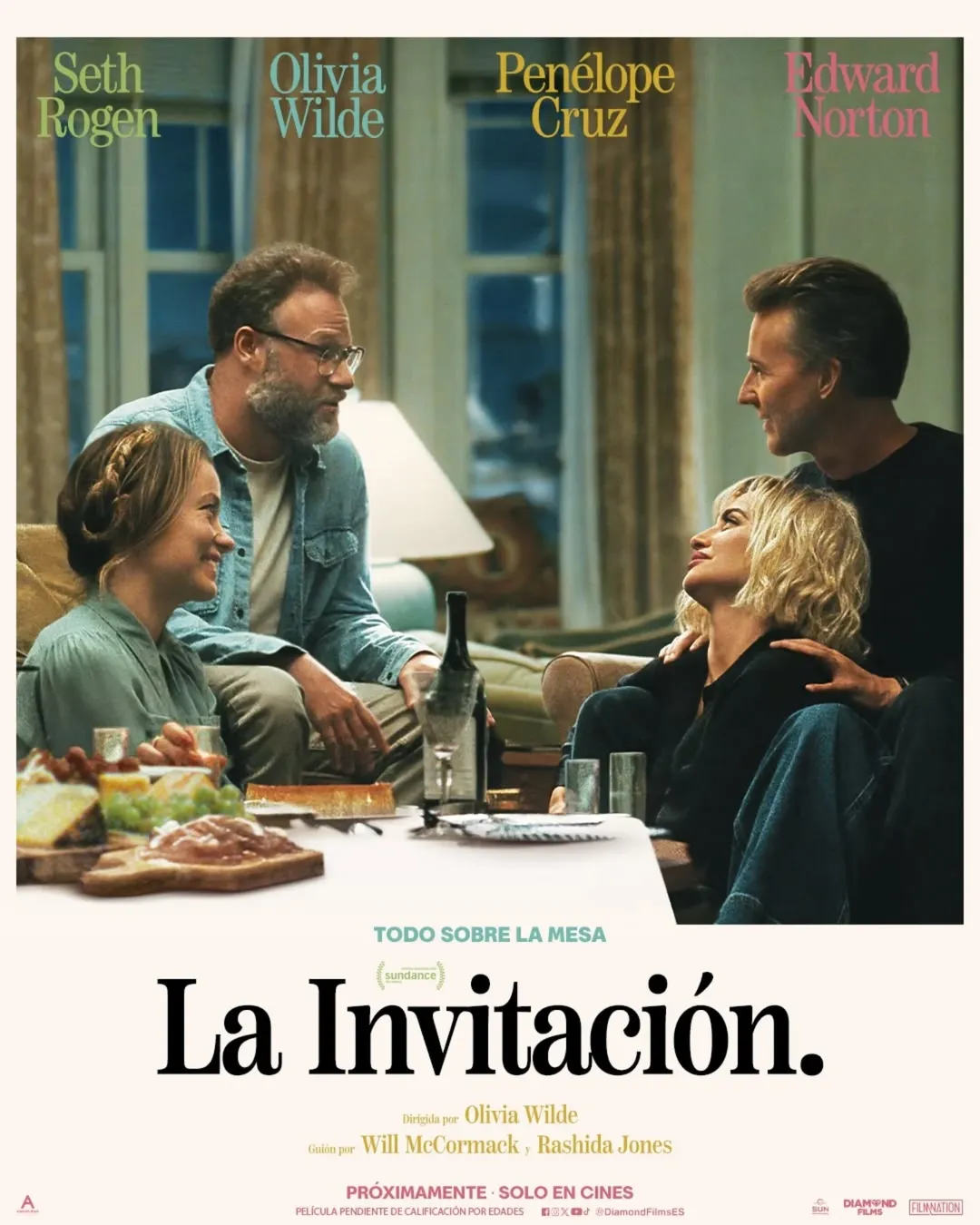
Estrenada en enero de este año en el Festival de Cine de Sundance 2026, los 107 minutos del largometraje mantiene al espectador compenetrado con la historia de este matrimonio formado por Joe (Seth Rogen) y Angela (Olivia Wilde) quienes tras un largo periodo juntos la vida se les convierte en una constante batalla sobre cada detalle de sus vidas diarias, hasta el momento en que Angela decide invitar a sus vecinos del piso de arriba, Pina (Penélope Cruz) y Hawk (Edward Norton) quienes en oposición a su situación son una pareja bastante fogosa hasta el punto de molestarlos con sus estridentes ruidos durante sus encuentros sexuales.
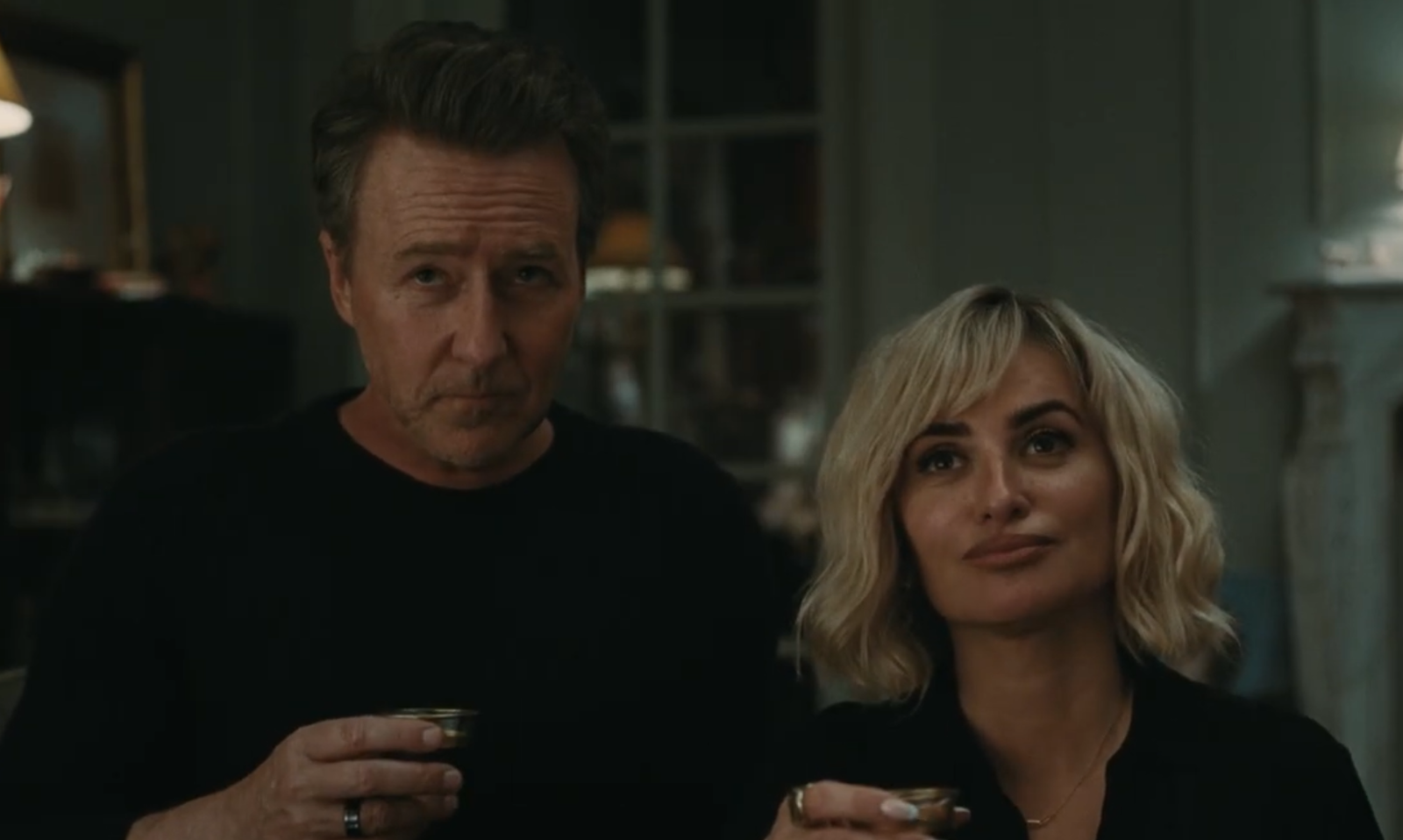
Ya entrando en contexto, se podría asumir que serán 2 horas de drama matrimonial como en su versión original (la cual es bastante lenta), pero es aquí donde Wilde junto con sus guionistas Will McCormack y Rashida Jones se lucen de tomo a lomo.
En un monoambiente que se centra básicamente en la casa de este matrimonio, las historias se comienzan a enlazar y los dramas comienzan a explotar entre palabras y acciones distractoras que más de una risa sacan a la audiencia y se mantienen por casi todo el film. La actuación de Penélope Cruz cae algunas veces en el estereotipo de mujer española pero el que hayan decidido utilizar el español como el lenguaje que los vecinos utilizan para comunicarse sin que los anfitriones los entiendan es simplemente una brillantez y refleja muy fielmente lo que se vive en la actualidad con parejas de distintos lugares del mundo y con distintas visiones de como se debe vivir el amor.
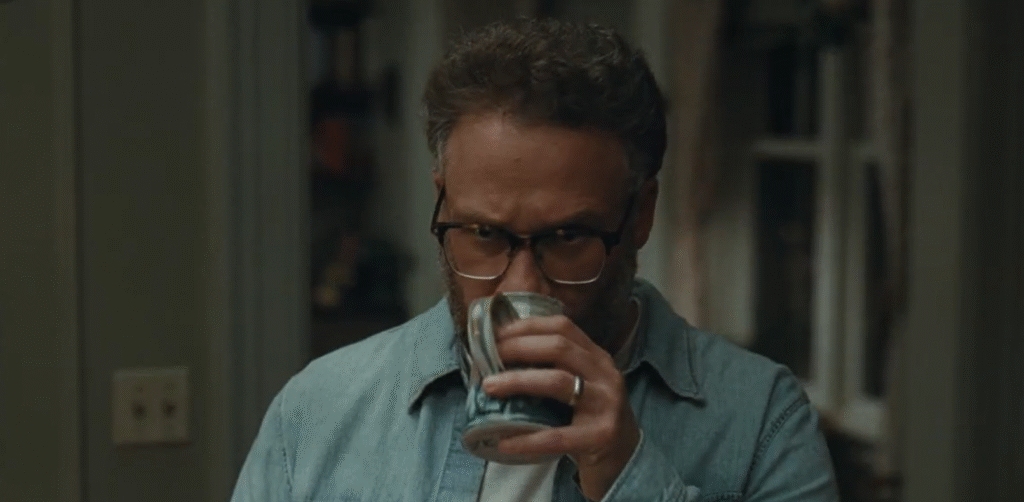
La Invitación es, por tanto, una danza sensual entre el erotismo, el deseo, el desdén y las decepciones que de alguna u otra manera van guiando la narración hacia lo más profundo: el entendimiento de lo que el tiempo y la falta de comunicación causan en una pareja de larga trayectoria. Pese al palpitante relato de frustraciones recopiladas, la energía escénica de los cuatro protagonistas logra enmascarar esta tensión en base a comentarios filosos y marcados por la desinhibición del dueto invitado.
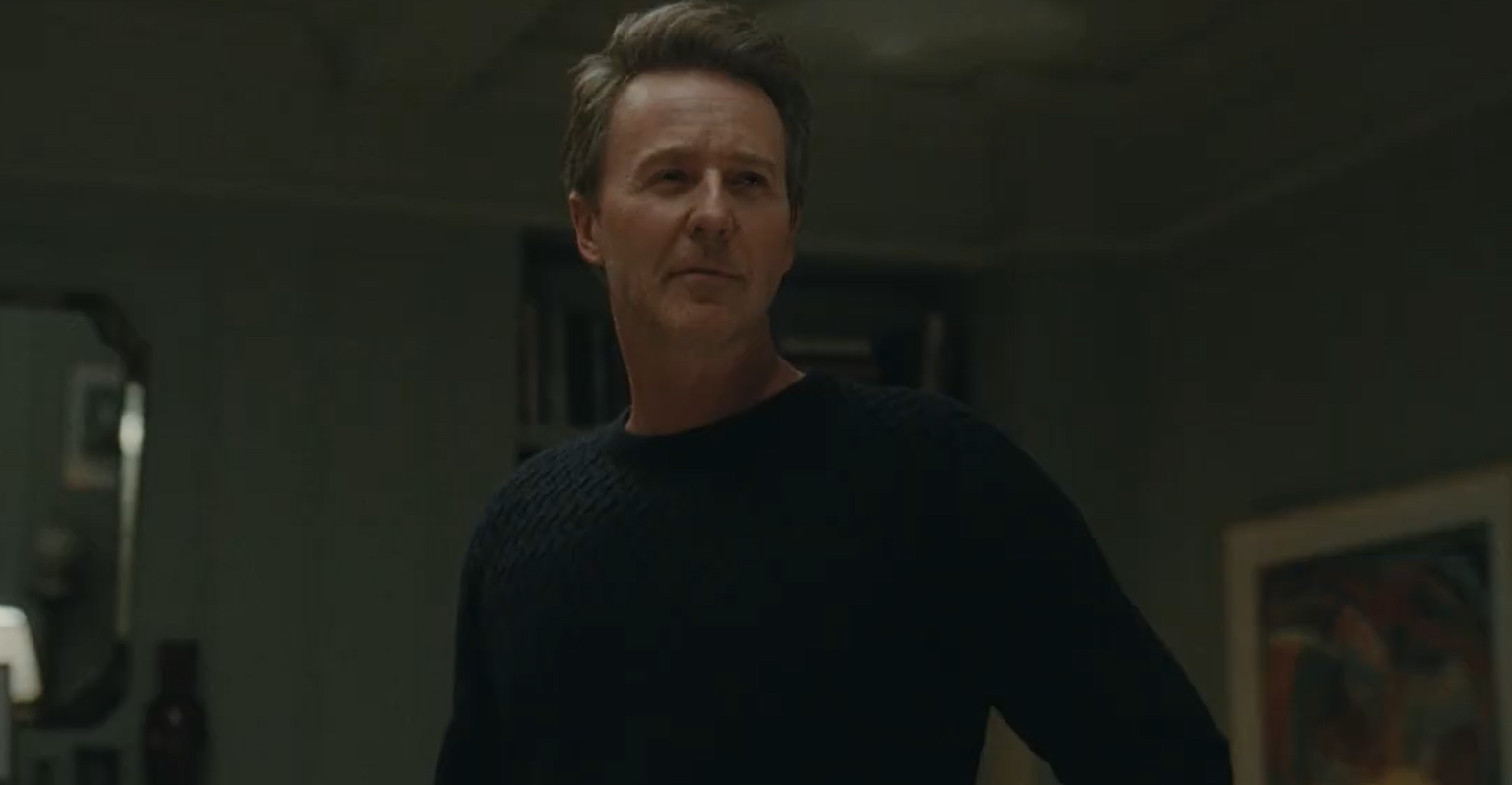
A nivel técnico, la banda sonora compuesta por Devonté Hynes bajo su proyecto Blood Orange para el sello A24 Music es un acierto magnificente. La música envuelve la película en un aura provocativa y sofisticada, ideal para este thriller de tintes sexuales. Cada tema instrumental funciona como un catalizador crucial que eleva el tono dramático de las escenas, haciendo que la tensión en la pantalla se vuelva casi palpable. Hynes logra capturar la dualidad de la película mediante una propuesta musical que oscila entre lo sensual y lo perturbador. En los momentos clave, cortes instrumentales como «Through The Window« logran que las interacciones entre los personajes se sientan mucho más desgarradoras y crudas, provocando un impacto emocional palpitante, mientras que piezas como «Suite For Cello« o el potente tema «Contentious Environment« no solo acompañan las imágenes, sino que amplifican la tensión y dictan el ritmo intenso de la trama.
Al final del día, lo que en 2020 nació como un drama pausado y de ritmo teatral, aquí se transforma en un ejercicio cinematográfico sumamente dinámico que subvierte la narrativa de la obra original. Olivia Wilde, apoyada en la dirección de fotografía de Adam Newport-Berra, toma el riesgo de filmar la tensión del monoambiente en formato físico de 35mm, utilizando lentes Panavision personalizados que deforman sutilmente los bordes de la pantalla cuando la incomodidad de la cena aumenta. Esta decisión técnica, sumada a un montaje ágil que juega constantemente con los fueras de campo y las miradas cruzadas, rompe con la planitud visual de su predecesora y exprime cada milímetro de la sensualidad y el caos del guion. El resultado es una experiencia visceral, sofisticada y rítmicamente impecable que merece disfrutarse con la máxima fidelidad técnica.
La Invitación llega a las salas de Cinépolis este próximo 2 de julio como uno de los ejercicios de tensión matrimonial más audaces del año.
FICHA TÉCNICA
Título original: The Invite (La Invitación)
Año: 2026
Duración: 107 minutos
País: Estados Unidos
Dirección: Olivia Wilde
Guion: Will McCormack, Rashida Jones (Basado en la obra de teatro «Los vecinos de arriba» y la película «Sentimental» de Cesc Gay)
Fotografía: Adam Newport-Berra (Filmada en 35mm)
Música: Devonté Hynes (Blood Orange)
Distribución / Sello: A24 Music
Reparto: Seth Rogen (Joe), Olivia Wilde (Angela), Penélope Cruz (Pina), Edward Norton (Hawk)
Género: Comedia dramática / Thriller erótico / Drama matrimonial
AGRADECEMOS A CACTUS MEDIOS Y DIAMOND FILMS CHILE POR LA INVITACIÓN
English translation
From slow theatre to vibrant celluloid: SURPASSING ITS ORIGINAL VERSION.
Cinépolis brings «The Invitation» to the big screen; an adaptation of the Spanish film «Sentimental» released in 2020, written and directed by Cesc Gay (who in turn took the theatrical narrative from his own dramaturgical work «Los Vecinos de Arriba»).
This time directed by Olivia Wilde, the story takes a much more daring and innovative turn, giving the film a fresh and modernist air that moves away from taboos and unravels between suggestive subtexts to the most chaotic and exorbitant marital arguments that are the cornerstone of the plot.
Premiered in January of this year at the 2026 Sundance Film Festival, the 107 minutes of the feature film keeps the viewer in tune with the story of this married couple formed by Joe (Seth Rogen) and Angela (Olivia Wilde) who, after a long period together, life becomes a constant battle over every detail of their daily lives. until the moment when Angela decides to invite her upstairs neighbors, Pina (Penélope Cruz) and Hawk (Edward Norton) who in opposition to their situation are a rather fiery couple to the point of annoying them with their strident noises during their sexual encounters.
Already getting into context, you could assume that it will be 2 hours of marital drama as in its original version (which is quite slow), but it is here where Wilde along with his screenwriters Will McCormack and Rashida Jones shine from top to bottom. In a one room scenery, that is basically focused on the house of this couple, the stories begin to link and the tensions begin to explode between words and distracting actions that get more than one laugh from the audience and are maintained for almost the entire film.
Penélope Cruz‘s performance sometimes falls into the stereotype of a Spanish woman, but the fact that they have decided to use Spanish as the language that the neighbors use to communicate without the hosts understanding them is simply a brilliance choice and reflects very faithfully what is experienced today with couples from different parts of the world and with different visions of how love should be lived.
The Invitation is, therefore, a sensual dance between eroticism, desire, disdain and disappointments that in one way or another guide the narrative towards the deepest: the understanding of what time and lack of communication cause in a long-standing couple. Despite the pulsating story of collected frustrations, the scenic energy of the four protagonists manages to mask this tension based on sharp comments marked by the disinhibition of the guest duet.
On a technical level, the soundtrack composed by Devonté Hynes under his project Blood Orange for the A24 Music label is a magnificent success. The music envelops the film in a provocative and sophisticated aura, ideal for this thriller with sexual overtones. Each instrumental theme works as a crucial catalyst that elevates the dramatic tone of the scenes, making the tension on screen almost palpable. Hynes manages to capture the duality of the film through a musical proposal that oscillates between the sensual and the disturbing. In key moments, instrumental cuts like «Through the Window« make the interactions between the characters feel much more heartbreaking and rawer, causing a throbbing emotional impact, while pieces like «Suite for Cello« or the powerful track «Contentious Environment« Not only do they accompany the images, but they amplify the tension and dictate the intense rhythm of the plot.
At the end of the day, what in 2020 was born as a slow, theatrical-paced drama, here is transformed into an extremely dynamic cinematic exercise that subverts the narrative of the original work. Olivia Wilde, supported by Adam Newport-Berra‘s cinematography, takes the risk of filming the tension of the studio apartment in physical 35mm format, using custom Panavision lenses that subtly warp the edges of the screen when the discomfort of dinner increases. This technical decision, added to an agile editing that constantly plays with off-camera and crossed glances, breaks with the visual flatness of its predecessor and squeezes every millimeter of the sensuality and chaos of the script. The result is a visceral, sophisticated and rhythmically flawless experience that deserves to be enjoyed with the utmost technical fidelity.