
V bažinách vědomí
(En los pantanos de la conciencia)
Escrito por Mario González
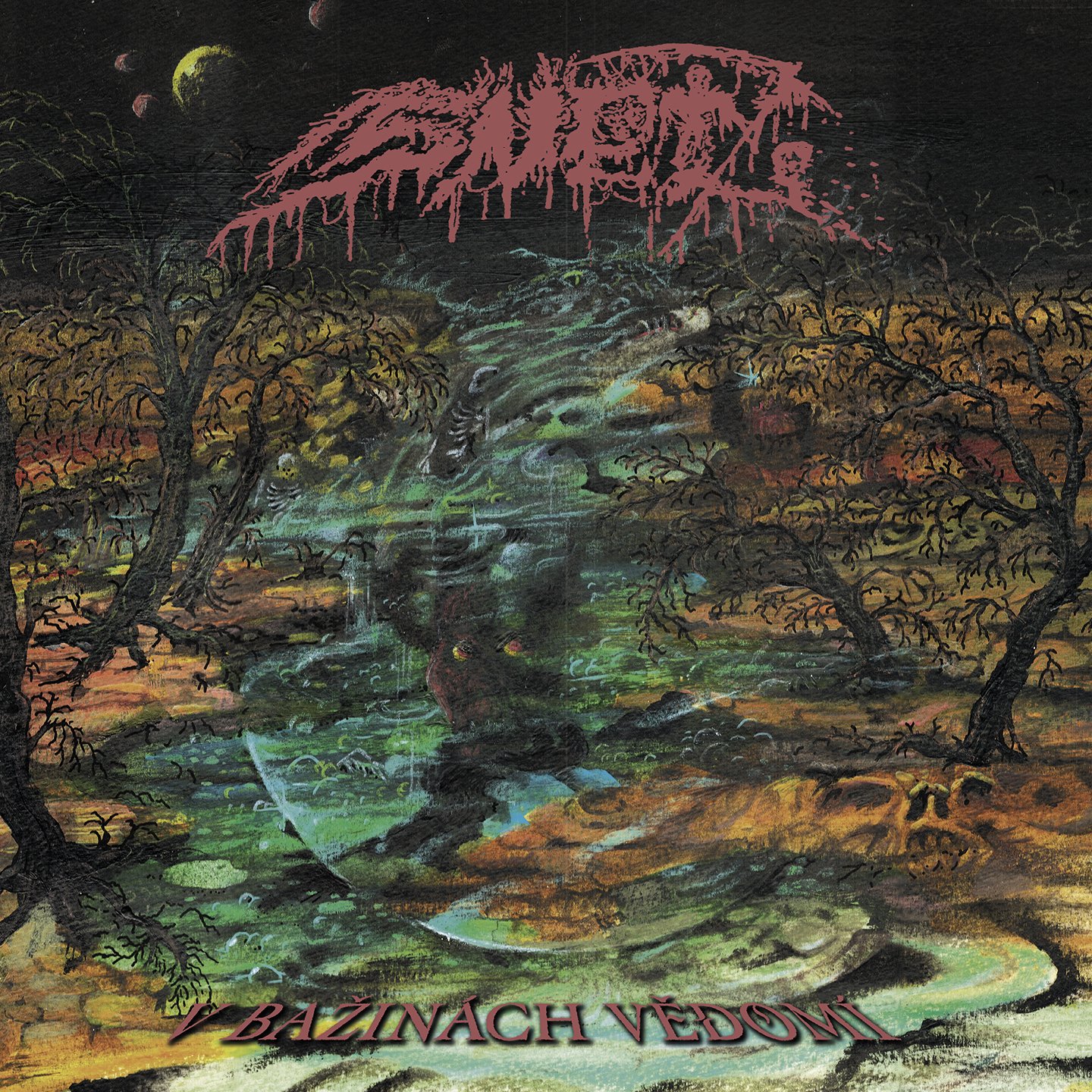
Hay discos que parecen grabados en un estudio y otros que dan la impresión de haber sido desenterrados de algún lugar donde la conciencia humana dejó de funcionar y V Bazinách Vedomí pertenece a estos últimos.
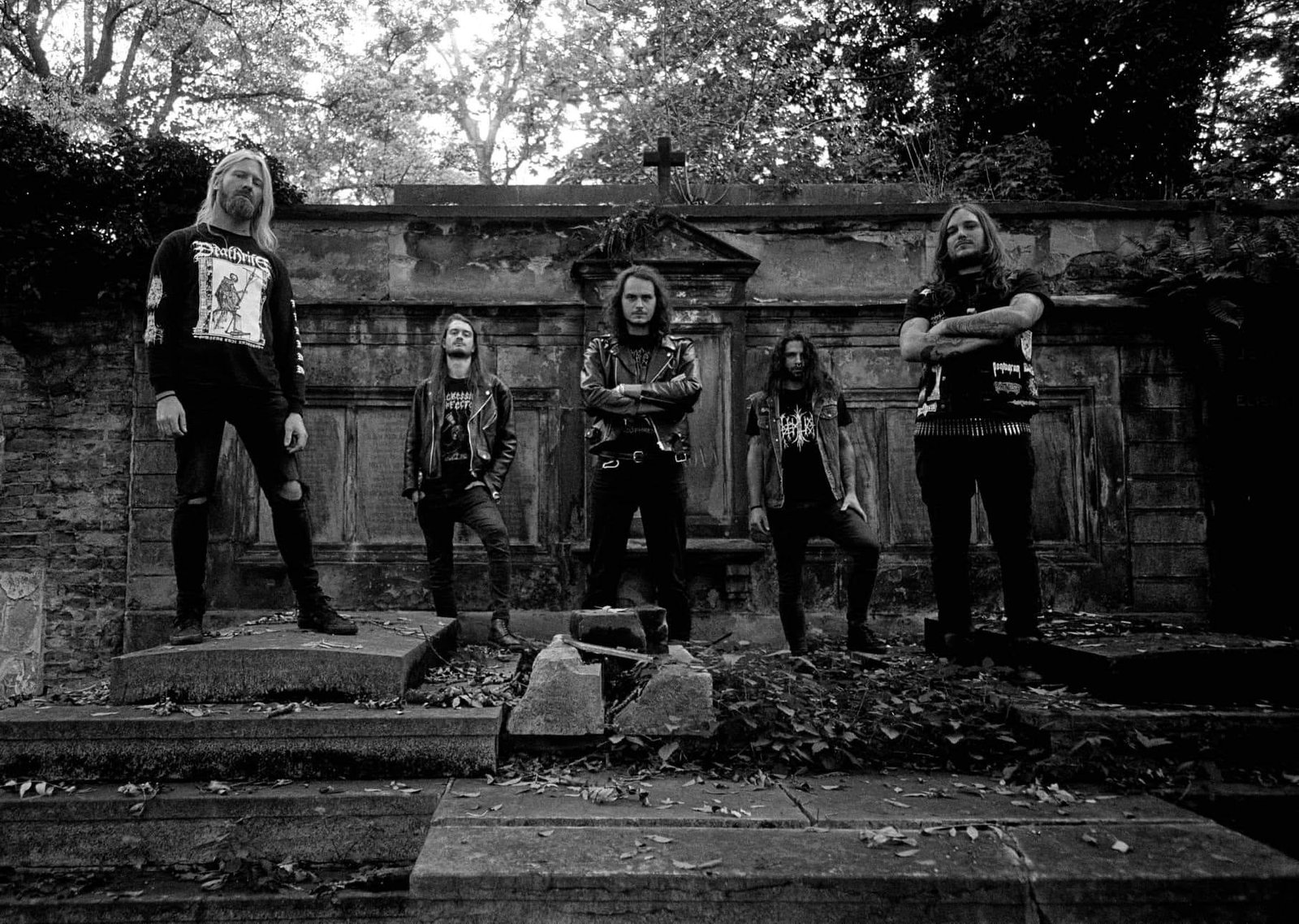
Sněť convierte cada nota en una ceremonia de putrefacción. Desde sus primeros compases, el disco parece emerger de un pantano donde la razón lleva siglos ahogándose. No hay suelo firme aquí; cada riff es una losa cubierta de musgo, cada golpe de batería un martillazo sobre el ataúd de una conciencia que todavía se niega a morir.
Sněť no construye canciones, abre grietas, el álbum se hunde lentamente en una materia oscura, húmeda y asfixiante, como caminar por un pantano donde cada paso hace emerger algo que habría sido mejor dejar enterrado. El disco tiene esa aura maldita y asfixiante de pesadilla que no necesita recurrir al caos permanente, por el contrario, sabe cuándo contenerse, cuándo dejar que la tensión se acumule para martirizar constantemente tu maldito cráneo.
Las guitarras no parecen instrumentos sino estructuras oxidadas destruyendo bajo su propio peso. Sobre ellas, el machacar constante avanza con una violencia que recuerda a una máquina que continúa su funcionamiento después de que todos sus operarios hayan muerto y se estén pudriendo en el pavimento. Hay algo profundamente físico en Sněť no se escucha solamente con los oídos; se siente como una presencia respirando detrás de la nuca, carcomiendo tus sentidos y lentamente destruyendo cada uno de tus malditos pensamientos.
El gran mérito de V Bazinách Vedomí está en su capacidad para convertir la oscuridad en atmósfera, pero sin adornos, no es una atmósfera que decore la putrefacción, sino que es la misma putrefacción devorando cada nota en cada rincón. Todo es cubierto por una capa de barro llena de decadencia y ansiedad. Las canciones se mueven como organismos enfermos, deformándose lentamente mientras mantienen suficiente estructura para que tú, vapuleado oyente, puedas seguirlas hacia el abismo y terminar con tu martirio eterno.
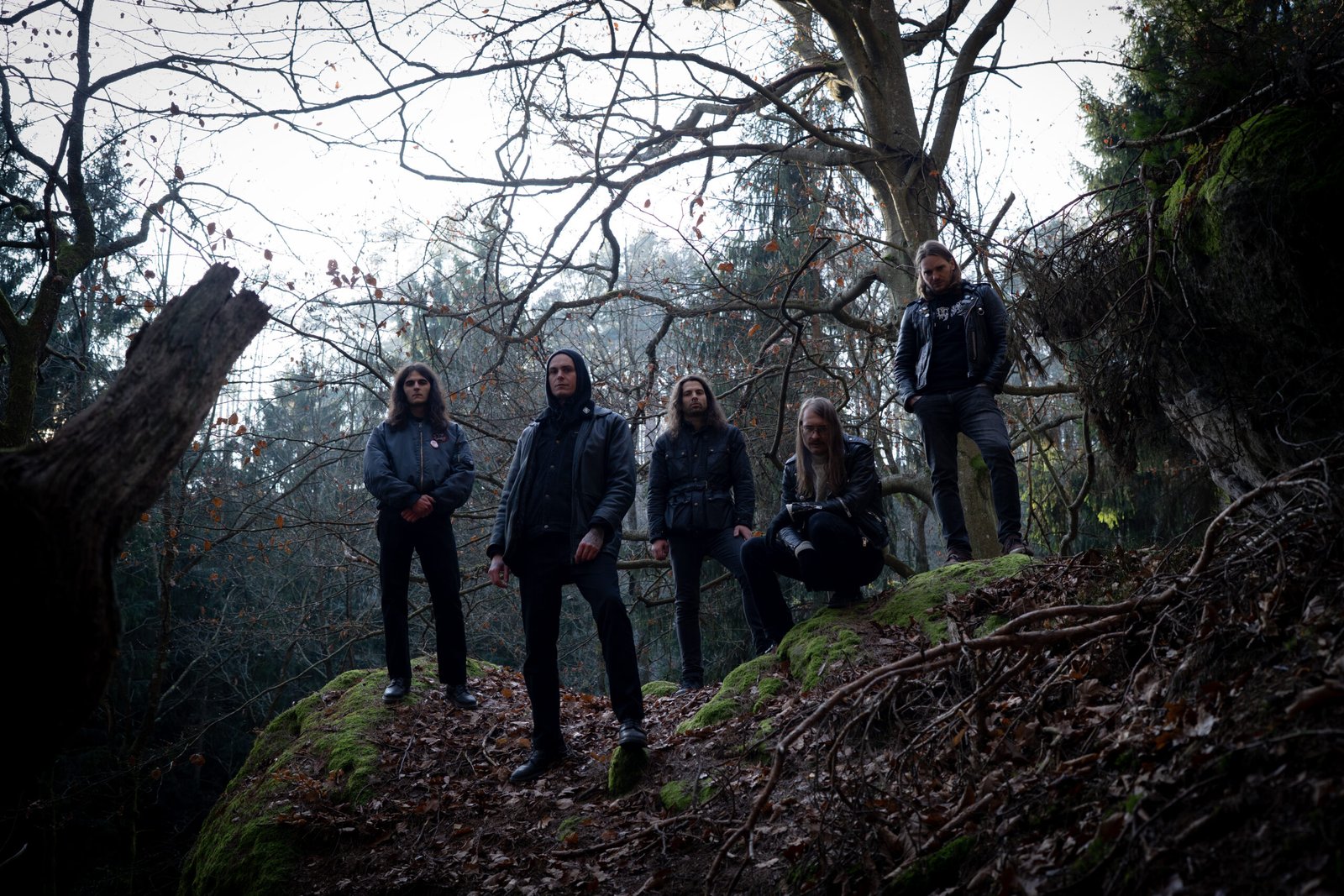
Ahí es cuando aparecen los momentos en que Sněť deja de caminar y comienza a arrastrarse. Cada nota adquiere una densidad casi claustrofóbica, como si las paredes del propio álbum se acercaran unos centímetros más con cada minuto. No hay sensación de liberación; incluso cuando la intensidad disminuye, queda la impresión de que algo sigue observando todo desde el fondo, desde ese fondo que no tiene fin pero que sientes que en un abrir y cerrar de ojos puede convertirte en una masa maloliente.
V Bazinách Vedomí podría entenderse como un descenso hacia el interior de una mente que ya no distingue entre recuerdos, sueños y pesadillas. Un disco donde la conciencia no es una luz, sino un pozo en cuyo fondo todavía se escuchan golpes tras golpes sin cesar, volviendo cada respiro en una condena por la eternidad.
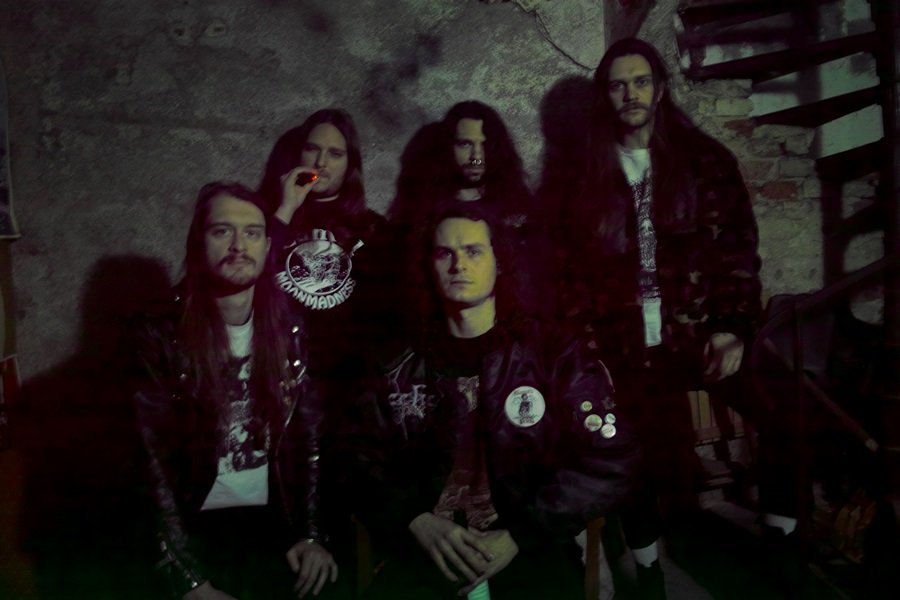
Un álbum para escuchar cuando la noche ya no parece noche, sino el lugar donde todas las cosas que enterramos regresan a buscarnos.
Sněť
V bažinách vědomí
País: República Checa
Género: Death Metal
Fecha Lanzamiento: 10 de Septiembre del 2026
Sello: Me Saco Un Ojo Records / Dark Descent Records
Sněť es:
Krutörr – drums
Hnisatel – guitars
Hrdlořez – bass
Ransolič – guitars
Řád Zdechlin – vocals
ENGLISH TRANSLATION
There are albums that seem to have been recorded in a studio and others that give the impression of having been unearthed from some place where human consciousness stopped working, and V Bazinách Vedomí belongs to the latter. Sněť turns every note into a ceremony of putrefaction. From its first bars, the album seems to emerge from a swamp where reason has been drowning for centuries. There is no firm ground here; every riff is a moss-covered slab, every drum beat a hammer blow on the coffin of a conscience that still refuses to die.
Sněť doesn’t build songs, it opens cracks, the album slowly sinks into a dark, damp and suffocating matter, like walking through a swamp where every step brings out something that would have been better left buried. The record has that cursed, suffocating nightmarish aura that doesn’t need to resort to permanent chaos, on the contrary, it knows when to contain itself, when to let the tension build up to constantly torment your damn skull.
The guitars don’t look like instruments but rusty structures destroying under their own weight. On them, the constant pounding advances with a violence reminiscent of a machine that continues to operate after all its operators have died and are rotting on the pavement. There’s something deeply physical about Sněť that you don’t hear just with your ears; it feels like a presence breathing behind the back of your neck, eating away at your senses and slowly destroying your every damn thought. The great merit of V Bazinách Vedomí is in his ability to turn darkness into atmosphere, but without ornaments, it is not an atmosphere that decorates putrefaction, but it is the same putrefaction devouring every note in every corner. Everything is covered by a layer of mud full of decadence and anxiety.
The songs move like sick organisms, slowly deforming while maintaining enough structure for you, battered listener, to follow them into the abyss and end your eternal martyrdom. That’s when the moments appear when Sněť stops walking and starts crawling. Each note acquires an almost claustrophobic density, as if the walls of the album itself are getting a few centimeters closer with each minute. There is no sense of liberation; even when the intensity decreases, there is the impression that something is still watching everything from the bottom, from that bottom that has no end but that you feel that in the blink of an eye it can turn you into a smelly mass.
V Bazinách Vedomí could be understood as a descent into the interior of a mind that no longer distinguishes between memories, dreams and nightmares. An album where consciousness is not a light, but a well at the bottom of which blows after blows are still heard incessantly, turning each breath into a condemnation for eternity.
An album to listen to when the night no longer seems like night, but the place where all the things we bury come back to look for us.