
CISHYNIA USPAMINAU
´Mižśviety´
Escrito por Meryth
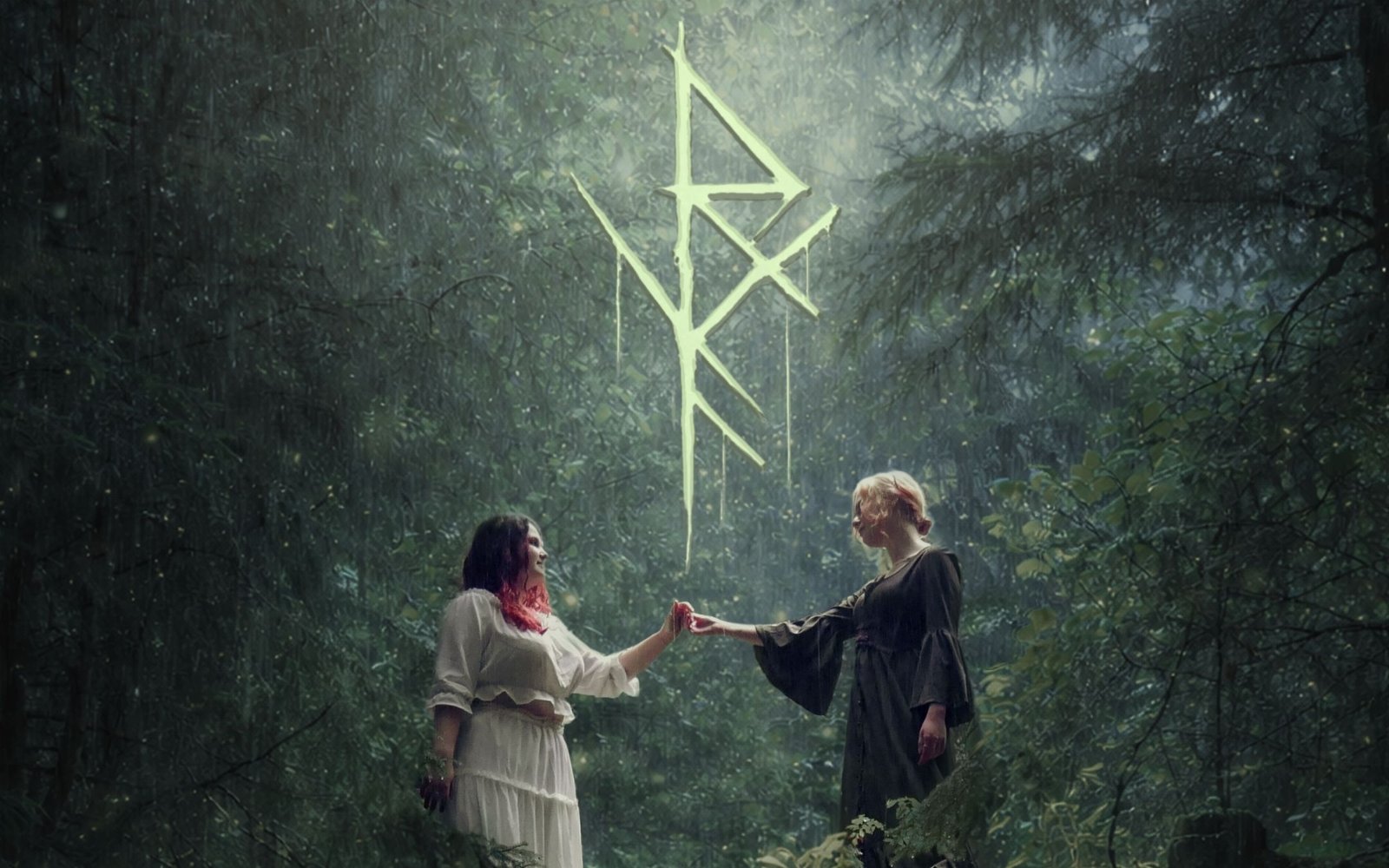
Hay recuerdos que no desaparecen. Se hunden. Quedan debajo de todo, esperando el momento exacto para volver a respirar.
Desde el norte de Bielorrusia, Cishynia Uspaminau —“El silencio de los recuerdos”— convierte precisamente ese territorio invisible en música: un espacio donde el folclore eslavo y nórdico se encuentra con atmósferas etéreas, paisajes sonoros hipnóticos y una profunda exploración de la memoria.
Más que contar historias, el proyecto invita a atravesarlas. Su música parece abrir una puerta hacia el interior de la conciencia, iniciando un descenso lento por territorios construidos con melancolía, nostalgia y emociones difíciles de nombrar. Cada composición funciona como un relato independiente, pero también como un espejo: una experiencia donde el oyente puede encontrar algo propio entre las sombras.
Cishynia Uspaminau entrelaza experiencias personales con motivos provenientes de las tradiciones folclóricas, transformándolos en piezas donde la fuerza y la fragilidad conviven. No existe una frontera clara entre pasado y presente; todo parece formar parte del mismo paisaje. Un mundo lleva a otro, una decisión conduce a la siguiente y cada melodía puede convertirse en el comienzo de un nuevo camino.
En ese recorrido aparecen imágenes contradictorias: bailar entre las llamas, atravesar el caos, perderlo todo y aun así buscar algún fragmento de belleza entre las ruinas. La música funciona entonces como una especie de memoria viva, capaz de recuperar aquello que parecía perdido y convertirlo en algo nuevo.
Pero detrás de su oscuridad existe también una intención profundamente humana. Cishynia Uspaminau entiende la música como refugio, como un lugar donde el dolor puede descansar por un instante y donde las emociones no necesitan ser explicadas para ser comprendidas. Un espacio para sentirse acompañado tanto en la tristeza como en la alegría.
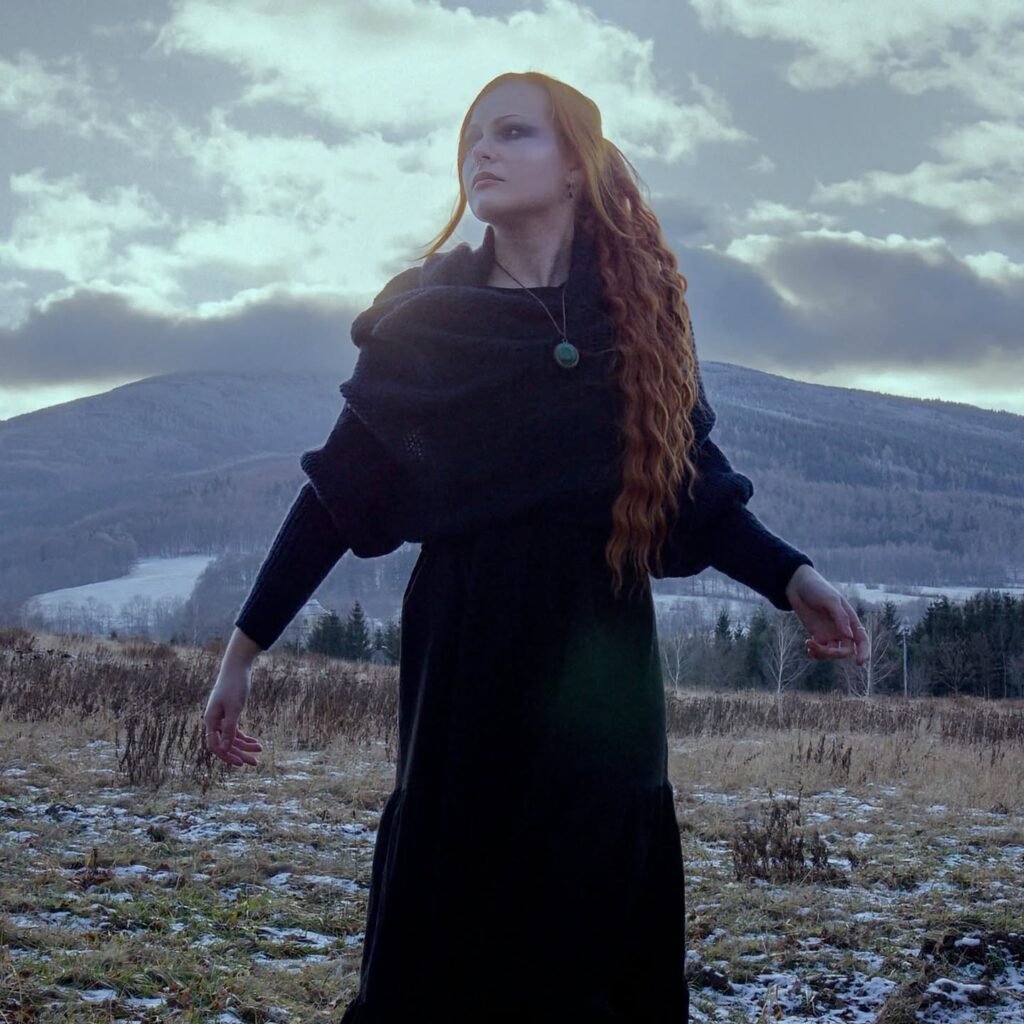
Quizás ahí se encuentre la verdadera fuerza de Mižśviety: no intenta escapar de la melancolía, sino aprender a habitarla. Sus canciones parecen decir que incluso cuando todo alrededor se disuelve en el caos, todavía es posible encontrar belleza; que algunos recuerdos pueden doler, pero también pueden convertirse en música.
Y a veces, cuando el mundo se vuelve demasiado ruidoso, necesitamos precisamente eso: un lugar donde el silencio pueda comenzar a hablar.



ENGLISH TRANSLATION
There are memories that do not disappear. They sink. They remain underneath everything, waiting for the exact moment to breathe again. From the north of Belarus, Cishynia Uspaminau turns precisely that invisible territory into music: a space where Slavic and Nordic folklore meets ethereal atmospheres, hypnotic soundscapes and a deep exploration of memory.
More than telling stories, the project invites you to go through them. His music seems to open a door to the interior of consciousness, initiating a slow descent through territories built with melancholy, nostalgia and emotions that are difficult to name. Each composition works as an independent story, but also as a mirror: an experience where the listener can find something of their own in the shadows. Cishynia Uspaminau intertwines personal experiences with motifs from folk traditions, transforming them into pieces where strength and fragility coexist.
There is no clear boundary between past and present; everything seems to be part of the same landscape. One world leads to another, one decision leads to the next, and each melody can become the beginning of a new path. In this journey, contradictory images appear: dancing in the flames, going through the chaos, losing everything and still looking for some fragment of beauty among the ruins.
The music then functions as a kind of living memory, capable of recovering what seemed lost and turning it into something new. But behind its darkness there is also a deeply human intention. Cishynia Uspaminau understands music as a refuge, as a place where pain can rest for an instant and where emotions do not need to be explained to be understood. A space to feel accompanied in both sadness and joy. Perhaps therein lies the true strength of Mižśviety: it does not try to escape melancholy, but to learn to inhabit it.
Its songs seem to say that even when everything around it dissolves into chaos, it is still possible to find beauty; that some memories can hurt, but they can also become music.
And sometimes, when the world gets too noisy, we need just that: a place where silence can begin to speak.